


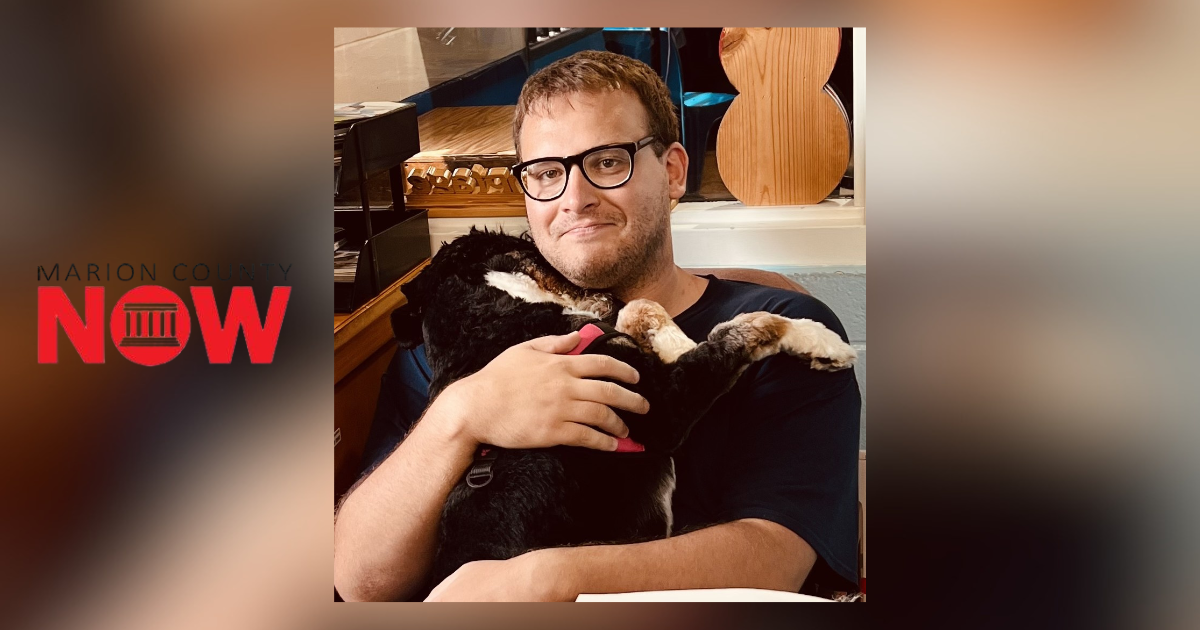

MARION, OH (MARION COUNTY NOW)—At North Central Correctional Complex (NCCC), bringing normalcy to the correctional environment is an important part of creating opportunities for positive change. One of the ways NCCC accomplishes this is through its Staff Doggy Daycare Program, a program that provides benefits that extend far beyond simply caring for dogs.
The program gives incarcerated individuals an opportunity to take on responsibility while providing staff with another avenue to build positive relationships with the people in their care.
Currently, 50 incarcerated individuals serve as Animal Trainers. These individuals spend approximately 8 to 12 hours each day caring for, socializing, exercising, feeding and bonding with the staff canine assigned to them.
For the Animal Trainers, the program provides much more than something to fill their time. Caring for an animal requires patience, consistency, accountability and compassion. Trainers must learn to recognize the needs of their canine and understand that their actions directly impact the animal’s well-being.
Through these daily responsibilities, participants develop skills that can benefit them long after their incarceration. Communication, teamwork, problem-solving, patience and time management are all incorporated into the daily care of the dogs. Participants also have the opportunity to build confidence as they watch their dogs learn, develop trust and become more comfortable in their surroundings.
Perhaps one of the most important lessons is empathy.
Caring for a dog requires individuals to look beyond themselves and consider the needs, emotions and well-being of another living being. For many participants, the relationship they develop with their dog becomes a source of pride and motivation.
The program also provides structure and purpose. Having an animal depending on them gives participants a reason to show up, follow through, and remain accountable. These are valuable habits that can translate into other areas of life and, ultimately, into the community when they are released.
The benefits aren’t limited to the incarcerated population.
For staff, the dogs create opportunities for positive interactions with residents in an environment that is different from the traditional correctional setting. A conversation about a dog’s personality, training progress or latest accomplishment can create a common point of connection between staff and residents.
These interactions can help build rapport and trust while allowing staff to see another side of the individuals they work with each day.
The program also contributes to staff morale. Working in corrections can be demanding and stressful, and spending a few moments with an enthusiastic, affectionate dog can provide a welcome emotional break during the workday. The dogs often bring smiles, laughter, and positive energy into the facility.
Most importantly, the program creates opportunities for staff to demonstrate that professional relationships can include compassion and genuine concern while still maintaining appropriate boundaries and accountability.
This aligns with NCCC’s B.I.O.N.I.C. philosophy—“Believe It Or Not I Care.” The Doggy Daycare Program provides a tangible way for staff to demonstrate that philosophy through positive engagement, mentorship, and relationship-building.
While security and safety remain the foundation of a correctional facility, programs such as Doggy Daycare demonstrate that rehabilitation and accountability can exist alongside those responsibilities.
The impact can be seen in the relationships formed between the trainers and their dogs, the skills participants develop and the connections created between staff and residents.
At its heart, NCCC’s Doggy Daycare Program isn’t simply about taking care of dogs.
It’s about teaching responsibility. It’s about building trust. It’s about developing empathy, patience and communication. It’s about giving individuals an opportunity to experience success and recognize their ability to make a positive difference.
And perhaps most importantly, it’s about creating moments of normalcy in an environment where they can be difficult to find.
For the dogs, it means receiving love, attention, exercise, and care.
For the Animal Trainers, it means purpose, responsibility, and an opportunity to grow.
For staff, it means connection, improved morale, and another opportunity to make a positive impact.
In the end, everyone involved gets something from the program—and the lessons learned may extend far beyond the walls of NCCC.